

How Diet can Affect Fibromyalgia Symptoms
Your diet can affect how you feel when you have a chronic condition such as fibromyalgia. While some foods can help you feel better and reduce your symptoms, others can cause flare-ups of the pain in your joints and muscles.
Finding out which foods are best for your condition is important for sufferers of this condition, especially since there is no cure for fibromyalgia and it is a condition you will have to deal with for the rest of your life.
If you are overweight, it is also important to diet to reduce your weight so there is less pressure on your joints. By reducing pressure on the joints, you can help to keep pain symptoms under control. Since it is more difficult to exercise, many fibromyalgia patients experience weight gains, but if your diet is under control, weight gains can be negated.
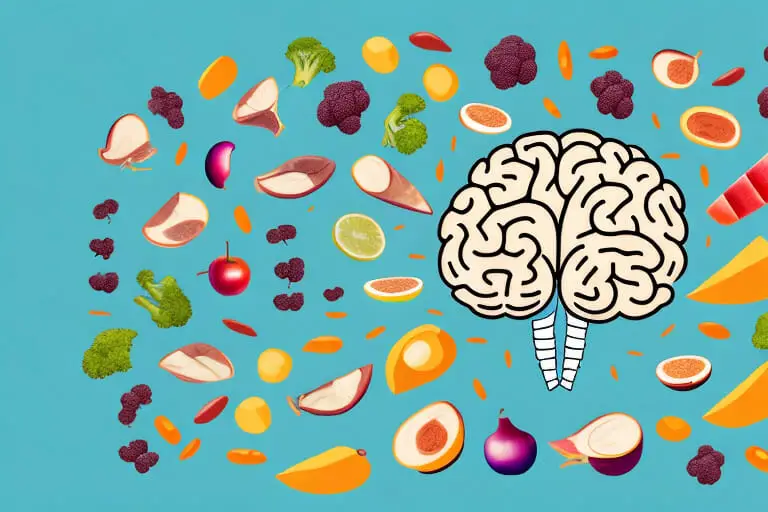
Fibromyalgia Symptoms Complicate Diet
Planning a diet to help reduce the symptoms of fibromyalgia can be difficult because the symptoms of this condition vary so much. It is rare that any two sufferers will have the same type of symptoms. Symptoms like irritable bowel syndrome make it difficult to plan a diet solely around fibromyalgia as this condition needs to be taken into account as well.
Before you do go on a diet to help reduce your symptoms, you need to consult with your primary care physician and the specialists you may be seeing for your condition. They can help you plan a diet based on your symptoms and any vitamin or mineral deficiencies that you may have.
Foods Fibromyalgia Patients Should Avoid
In general, doctors suggest that fibromyalgia patients avoid foods laden with sugar, avoid drinking too much caffeine and drinking alcohol. However, along with these food items, there are many other foods that should be on the do not eat list as well.
Aspartame – This artificial sweetener is sold under the names Equal and Nutrasweet. It is used to sweeten many soft drinks, yogurt, ice cream, frozen yogurt and many other low-calorie foods. Some fibromyalgia patients have reported a reduction in the pain symptoms when they stopped using foods containing aspartame.
Although there needs to be more research on this subject, avoiding aspartame could prove to be beneficial to patients. However, if you need to sweeten something, substitute sweeteners for a small amount of natural sugar or beets can be used in some dishes to provide some sweetness. Sucralose, which is a sweetener, can also be used since it is derived from sugar.

Caffeine – Due to the extreme fatigue that accompanies fibromyalgia, some patients may try to combat their tiredness by drinking coffee, tea or colas. However, caffeine can interfere with the ability to get a restful night’s sleep, which is already a problem for most fibromyalgia sufferers. A Norwegian sleep study suggested that sleep difficulties could play a part in the development of fibromyalgia. For those who have to have caffeine, it should be consumed earlier in the day to help prevent it from keeping you awake.
MSG and Sodium Nitrate – These ingredients are used as preservatives, as well as flavor enhancers for many foods like cured meats, sauces and it can often be found in Chinese food. They contain salt as well, which can cause swelling and pain in some fibromyalgia patients. Foods with these ingredients should be avoided, which can be done by reading the labels of any prepackaged foods you buy.
Sugar – Although sugar can provide the body with a burst of energy, which can be tempting for an exhausted fibromyalgia patient, it can also contribute to weight gain. Overweight patients often experience more severe symptoms than other fibromyalgia patients, which includes more pain, sleeplessness and stiffness. If you have a craving for something sweet, substitute a sweet snack for a piece of fruit.
Dairy – Even people who don’t have fibromyalgia may have problems with foods containing lactose and be troubled with bloating and gas after eating ice cream, drinking milk or consuming other dairy products. Patients can try eliminating dairy products to see if their symptoms get better. Since calcium is important for your body to be healthy, add food such as broccoli, fish, and substitute regular milk with soy or almond milk.
Gluten – Celiac disease is another condition that can co-exist with fibromyalgia in some patients. This disease is caused by an intolerance to the gluten in grains like rye, wheat and barley. If you do have gluten intolerance, you should eliminate pasta, breads and grains from your diet. Substitute them with gluten-free alternates such as rice or corn. In addition, read the labels of the food you buy because candies, sauces and many other foods may have gluten in them.
To discover if these foods affect your fibromyalgia, try eliminating from your diet one at a time and keep a food journal to write down how you feel after you eliminate a food. If you have to eliminate several of them from your diet, work with your healthcare provider to develop a diet that will not cause fibromyalgia flare-ups.
Foods that can Benefit Fibromyalgia
Just as some foods should be avoided because they can cause fibromyalgia flare-ups, there are many foods that can help alleviate fibromyalgia symptoms. By making sure these foods are a part of your diet, you can help combat pain, fatigue and other symptoms that are common with this condition. Some of these foods and/or dietary supplements can address specific fibromyalgia symptoms.
Eating to Help Reduce Fibromyalgia Pain
The main overwhelming symptom of fibromyalgia is widespread pain that patients have in the muscles and joints. Although there hasn’t much research done in this area, evidence does show that by tweaking your diet, you can help reduce these symptoms.
Vitamin D – This vitamin is vital to those who have fibromyalgia. Known as the “sunshine vitamin,” many adults already have a vitamin D deficiency and that deficiency can mimic the symptoms of fibromyalgia, so it is important that patients be screened for a vitamin D deficiency. Deficiencies of this vitamin can cause bone and muscle pain, but increasing levels of this vitamin can be difficult to do.
Studies showed that chronic pain patients that had low levels of this vitamin needed almost twice the level of painkillers than those patients who had adequate vitamin D levels. Doctors often recommend a vitamin D supplement during the winter months when the sun isn’t visible. Along with spending time outside on sunny days, patients can add fatty fish and fish oils to their diet as they are the best sources for the vitamin.
Fish – Omega 3 fatty acids that are found in fish are not only good sources of vitamin D, but they are heart healthy and they can help reduce inflammation in fibromyalgia patients. Walnuts, salmon, flax seeds are good sources of omega 3 fatty acids. A 2007 study showed that the fatty acids are effective in helping those with chronic pain.
Study participants that took omega 3 fatty acid supplements for just three months had less morning stiffness and painful, tender joints were reduced. Although the study didn’t include fibromyalgia patients, the results do show promise that omega 3s can help them as well.
Fresh Produce – Some researchers think that oxidative stress could be one cause of fibromyalgia symptoms. Oxidative stress occurs when the body doesn’t have enough antioxidants to ward off free radicals that can cause cell damage in the body. Fresh fruits and vegetables are packed with antioxidants like vitamins C, A and E. Some studies have shown that a raw, vegan diet can help reduce symptoms. However, that type of diet can be difficult for many people to follow.
For patients who choose to eat meat in their diet, small portions grass-fed beef are the best option. This type of beef is a good source of iron and vitamin B-12, both of which are nutrients that are important for keeping the central nervous system healthy.
Combating Fatigue with Food
Your diet can also be used to combat symptoms of fatigue, which is another common symptom for fibromyalgia sufferers. There are several foods that you can add to your diet that will help increase your energy levels as they help reduce your fatigue.
Oatmeal – This carbohydrate absorbs into your stomach quickly and gives you a quick burst of energy, but since it is made from whole oats, it doesn’t result in a crash like sugary cereals do. Oatmeal is also considered a super food because it helps support digestive health. Even If you have diabetes, you can oatmeal because it helps to regulate blood sugar levels.
Avoid the flavored or instant types of oatmeal as they have added sugar or sweeteners. Instead, read the label and look for oatmeal that says “old-fashioned,” “steel cut,” “Scottish,” or “Irish” on the package. Eat it first thing in the morning for the energy boost that you need to help fight fatigue.

Spinach – There’s a reason that Popeye reached for spinach whenever he needed extra energy, it is because this green leafy vegetable contains iron and other essential nutrients that provides your body with the energy it needs. Along with iron, spinach provides magnesium, potassium and it is full of B-vitamins.
Iron is essential to the body as it helps red blood cells carry oxygen throughout the body, which provides you with energy. Iron deficiencies can cause both mental and physical fatigue, which can complicate the fatigue you may be experiencing with fibromyalgia.
Magnesium also fights fatigue and people who are deficient in this mineral may suffer from depression, muscle cramps, muscle spasms, difficulty sleeping, muscle weakness and low energy. Both magnesium and potassium are needed to help the body function properly. There are hundreds of ways to eat spinach including in salads, soups, in an omelet, etc.
Beans – Whether it is black beans, pinto beans or kidney beans, this food is great source of energy that helps ward off fatigue. They are a source of slow burning energy because they are low in fat, high in fiber and their mix of carbohydrates and protein. In addition, they are packed with essential minerals that help produce energy like magnesium, potassium, phosphorus, copper and iron.
Beans are a good substitute for red meat because they are high in protein, but have very little fat and are low in calories. In addition, they are easier to digest that red meat and take less energy to absorb into the body. Beans also promote digestive health and they can help prevent weight gain, as well as constipation.
Nuts and Seeds – These foods are high in protein and healthy omega 3 fatty acids. Depending on the nuts and seeds that are chosen, they are filled with nutrients like manganese, magnesium, phosphorus, iron, potassium, copper, riboflavin, vitamins B1, B2, B5, B6 and tryptophan. All of these vitamins and minerals are important to the production of energy, which can help you counteract the fatigue of fibromyalgia.