
The Global Prevalence of Chronic Fatigue Syndrome: Understanding Who Is Affected Worldwide
Chronic Fatigue Syndrome (CFS) is a debilitating condition affecting millions around the world, yet many still lack a clear understanding of its global reach. The prevalence of CFS is estimated to be between 0.1% and 2.2% in the general population, with about 17 to 24 million people affected worldwide. This makes it a significant health concern that crosses age, gender, and cultural boundaries.
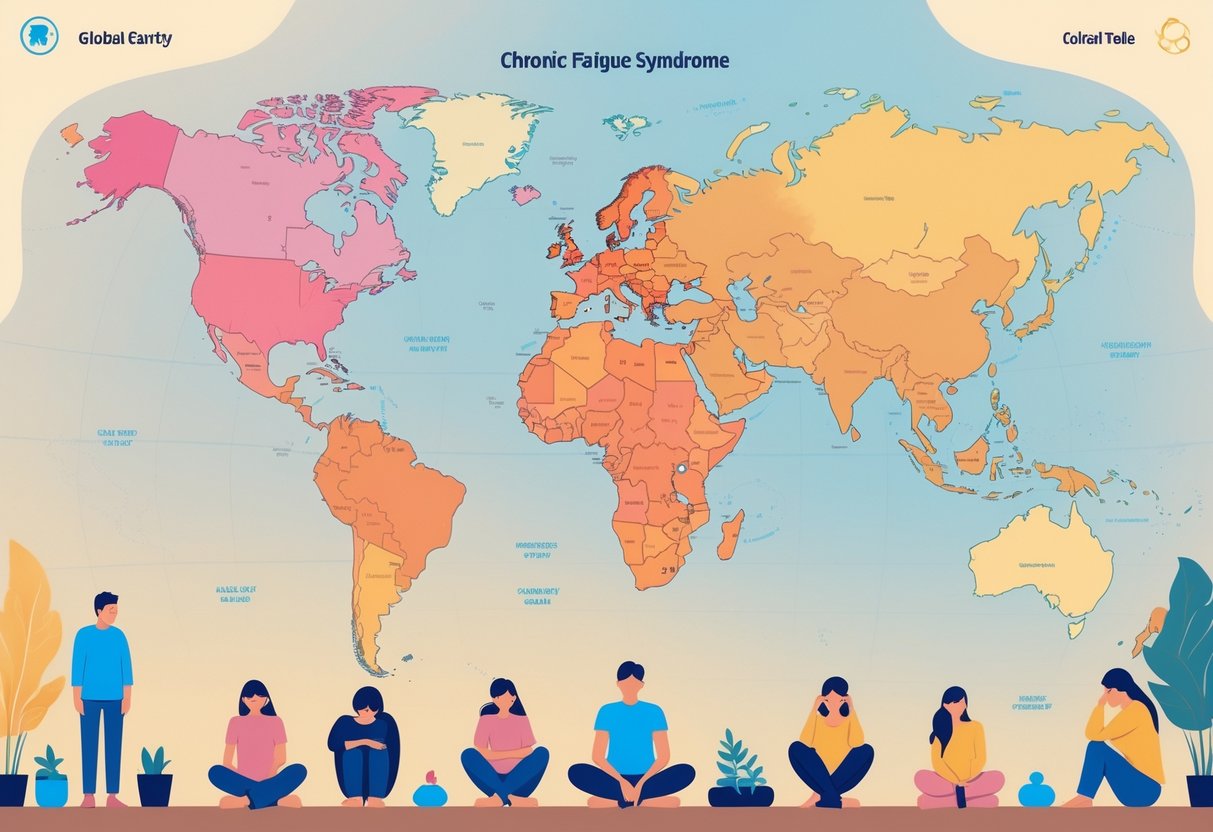
Women are diagnosed with CFS three to four times more often than men, and the condition can affect people of all ages, including children and teens. Despite its widespread impact, CFS often goes undiagnosed or misdiagnosed, which adds to the challenge of understanding who is affected and how to support them.
As awareness grows, it becomes clear that CFS is not just a personal health issue but a global one that demands more attention in research and healthcare. The following discussion looks deeper into who is affected and why understanding this could lead to better care and support for those living with CFS.
Key Takeaways
- CFS affects millions globally, with a prevalence of up to 2.2%.
- Women are more frequently diagnosed with CFS than men.
- CFS impacts all age groups but is often underdiagnosed.
Defining Chronic Fatigue Syndrome and Diagnostic Criteria

Chronic fatigue syndrome, also known as myalgic encephalomyelitis (ME/CFS), is a complex condition defined by persistent and disabling fatigue. The criteria for diagnosing ME/CFS vary internationally, reflecting ongoing efforts to capture the condition’s multifaceted nature. Diagnosis is challenging due to symptom overlap with other illnesses and lack of definitive lab tests.
What Is Chronic Fatigue Syndrome?
Chronic fatigue syndrome (CFS) is marked by profound fatigue that does not improve with rest and worsens after physical or mental exertion, a hallmark called post-exertional malaise. Patients also experience cognitive difficulties, unrefreshing sleep, muscle and joint pain, and sometimes headaches.
The fatigue is severe enough to reduce daily activity significantly. Because symptoms can resemble those of other conditions, ME/CFS is often diagnosed by excluding other causes. It affects multiple body systems, making it a multisystem disease rather than just a fatigue disorder.
International Consensus Criteria
The International Consensus Criteria for ME provides a detailed clinical framework to diagnose the condition more precisely. It requires the presence of post-exertional neuroimmune exhaustion as a mandatory symptom.
Other core symptom categories include:
- Neurological impairments (e.g., cognitive difficulties, sensory sensitivities)
- Immune, gastrointestinal, and genitourinary impairments
- Energy metabolism and ion transport impairments
These criteria emphasize the systemic nature of ME/CFS rather than solely focusing on fatigue. They help differentiate ME/CFS from other fatigue-related disorders by detailing specific symptom clusters and their interactions.
Challenges in Diagnosing ME/CFS
Diagnosing ME/CFS is complex because no specific laboratory test confirms the illness. Standard medical tests usually return normal results, which can lead to misdiagnosis or dismissal.
The condition overlaps symptomatically with depression, fibromyalgia, and other chronic illnesses, complicating recognition. Different diagnostic criteria (like the CDC’s or Oxford’s) vary in scope and sensitivity, which sometimes causes inconsistency in identifying patients.
This variability in diagnosis creates challenges for researchers and clinicians and may affect estimates of ME/CFS prevalence worldwide.
Global Prevalence of Chronic Fatigue Syndrome
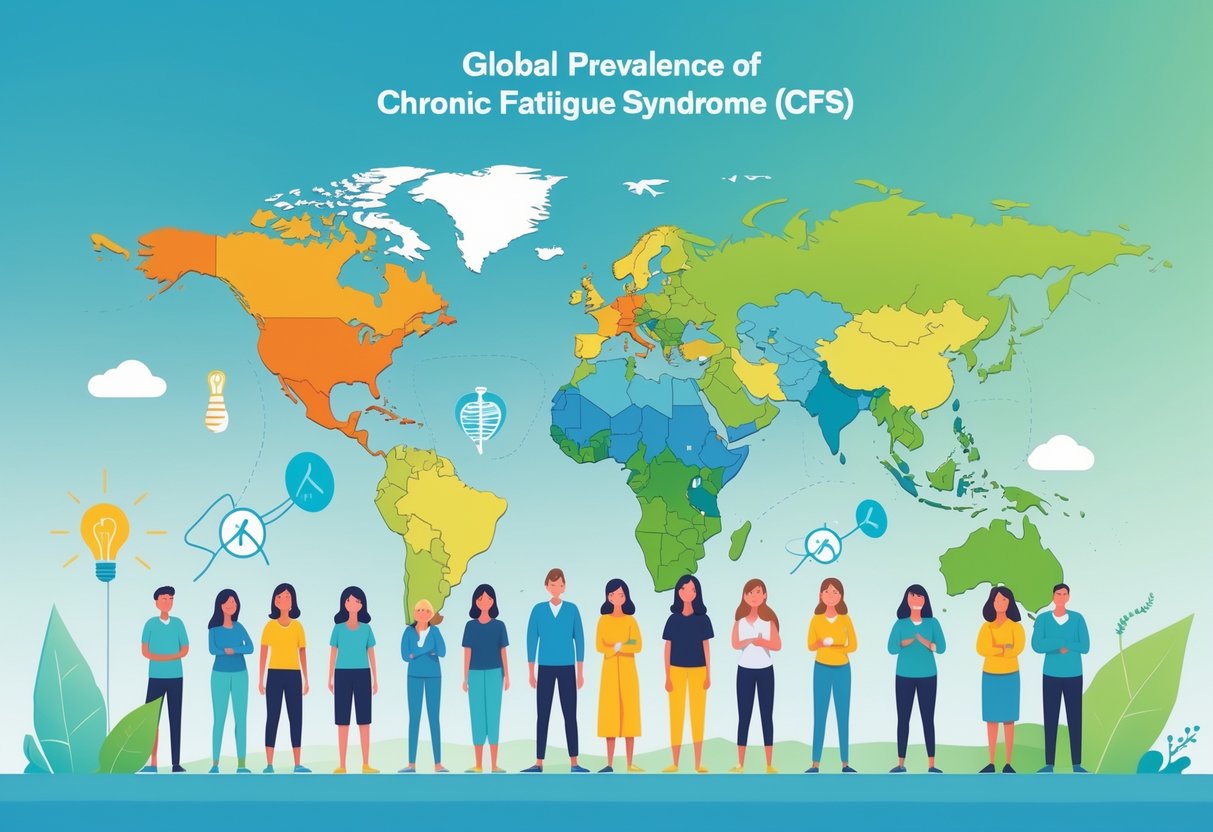
Chronic Fatigue Syndrome (CFS) affects millions globally, but the reported numbers vary notably by region and study methods. Prevalence estimates often reflect differences in diagnosis, study design, and population characteristics.
Current Worldwide Prevalence Estimates
Estimates of CFS prevalence worldwide range from 0.1% to 2.2% of the general population. Most studies suggest the average lies near 1%, with some countries reporting slightly higher or lower figures.
In the United States, the prevalence is generally between 0.89% and 1.14%. These figures show CFS is a relatively common chronic illness, although exact numbers can differ due to variations in diagnostic criteria and awareness.
Regional and Country-Specific Data
Prevalence rates differ across countries. Research from North America, Europe, and parts of Asia shows diverse outcomes, with some regions reporting higher rates influenced by healthcare access and reporting standards.
For example, some Asian countries report lower prevalence figures, possibly due to underdiagnosis or different healthcare practices. In contrast, studies from Western countries often show higher rates, which may reflect better recognition of symptoms.
Underdiagnosis and Variability in Reporting
Underdiagnosis is a significant issue in understanding CFS prevalence. Many people with symptoms go unreported or are misdiagnosed, which leads to underestimation.
Variations in symptom definitions and study designs contribute to inconsistent data. Differences in public health infrastructure and patient education also affect accurate reporting, causing wide ranges in prevalence estimates.
Systematic Review and Meta-Analysis Findings
Systematic reviews and meta-analyses provide more comprehensive estimates by combining multiple studies. One meta-analysis covering research from 1980 to 2018 found the global population with ME/CFS ranges from 17 to 24 million.
These analyses also reveal high heterogeneity across studies. Factors such as sample size and study year can influence reported prevalence, underscoring the complexity of measuring this condition worldwide.
Who Is Affected by Chronic Fatigue Syndrome?
Chronic Fatigue Syndrome (CFS), also known as Myalgic Encephalomyelitis (ME), affects a wide range of people with varying experiences. It impacts individuals differently depending on age, gender, socioeconomic status, ethnicity, and whether they live in rural or urban areas.
Age and Gender Differences
ME/CFS can occur at any age but is most commonly diagnosed in adults between 40 and 60 years old. It is less common in children, though some do experience severe fatigue and related symptoms.
Women are affected about two to four times more often than men. The reasons for this difference are not fully understood, but hormonal and immune system variations may play roles. Women with ME/CFS often report more severe symptoms such as pronounced post-exertional malaise and sleep disturbances.
Socioeconomic and Ethnic Factors
People from lower socioeconomic backgrounds may face higher risks of chronic fatigue and ME/CFS due to stress, limited healthcare access, and environmental factors. These challenges can delay diagnosis and effective management.
Ethnic disparities exist in prevalence and diagnosis rates. ME/CFS is reported across all racial and ethnic groups, but underdiagnosis is common in minority communities. Cultural differences in seeking healthcare and symptom reporting contribute to this variation.
Rural and Urban Populations
Living in rural or urban areas can influence the experience of ME/CFS. Urban residents may have better access to specialized care and support services, potentially improving diagnosis and treatment.
Rural populations often face barriers such as fewer healthcare resources and longer travel distances, hindering timely diagnosis and management. Environmental factors and lifestyle differences in rural areas might also affect the severity and recognition of chronic fatigue symptoms.
Chronic Fatigue Syndrome and COVID-19
Chronic fatigue syndrome (CFS) has emerged as a significant concern among people recovering from COVID-19, especially those experiencing prolonged symptoms. Fatigue linked to COVID-19 infection can resemble or trigger myalgic encephalomyelitis/chronic fatigue syndrome (ME/CFS), a complex and enduring condition. Understanding this connection is essential for managing patient care.
Long COVID and ME/CFS Onset
Long COVID refers to persistent symptoms lasting weeks or months after the initial COVID-19 infection. Many individuals with Long COVID report severe, ongoing fatigue similar to ME/CFS, characterized by exhaustion that does not improve with rest.
The overlap between Long COVID fatigue and ME/CFS suggests common underlying processes, such as immune dysfunction and organ damage. This fatigue can affect heart, lung, or kidney function, intensifying physical and cognitive challenges. Identifying these mechanisms is key to developing treatments and early interventions for those at risk of ME/CFS following COVID-19.
Prevalence in Post-COVID-19 Populations
Research shows a notable prevalence of chronic fatigue syndrome symptoms among COVID-19 survivors. Studies estimate a significant percentage of people recovering from COVID-19 experience fatigue lasting beyond four weeks or more, meeting criteria for ME/CFS in some cases.
Fatigue is often the most frequently reported symptom of Long COVID. This condition can severely impact quality of life, comparable to illnesses like stroke or rheumatoid arthritis. Health systems are encouraged to support Long COVID patients with specialized programs to address these long-term effects and reduce the burden on affected individuals.
Implications and Unmet Needs in Global ME/CFS Management
Myalgic Encephalomyelitis/Chronic Fatigue Syndrome (ME/CFS) affects millions worldwide with persistent and severe fatigue that often leads to long-term disability. Addressing this condition requires understanding its economic and social burdens, as well as improving recognition and diagnosis to support patients effectively.
Economic and Social Impact
ME/CFS causes significant economic strain on patients and healthcare systems. Many individuals experience reduced work capacity or complete inability to maintain employment due to debilitating fatigue and related symptoms.
The condition often leads to lost productivity, increased healthcare costs, and reliance on social support services. Studies estimate millions suffer globally, with a wide variation in prevalence, but the consistent impact on quality of life is clear.
Social isolation is common due to physical limitations and lack of awareness, worsening mental health. Families also face emotional and financial pressure. Support structures are limited despite the growing number of people affected.
Improving Awareness and Diagnosis
Awareness of ME/CFS remains insufficient among healthcare providers, often delaying diagnosis. This leads to prolonged patient suffering and inappropriate care.
Standard testing rarely identifies ME/CFS, making diagnosis dependent on clinical judgment and patient history. This complexity contributes to underdiagnosis or misdiagnosis.
Education programs for clinicians are outdated or minimal, creating gaps in understanding. Efforts to establish clear diagnostic criteria and promote training are critical.
Better public and medical awareness would help reduce stigma, improve early intervention, and guide research on effective treatments tailored to this complex illness.
Frequently Asked Questions
Chronic Fatigue Syndrome (CFS) involves persistent fatigue and other symptoms that vary widely among individuals. The number of people affected worldwide is significant, with women and certain age groups experiencing higher rates.
What are the common symptoms of Chronic Fatigue Syndrome (CFS)?
People with CFS often experience profound, unexplained fatigue that lasts for six months or longer. Other common symptoms include sleep difficulties, cognitive issues like memory problems, muscle and joint pain, and worsening symptoms after physical or mental exertion, known as post-exertional malaise.
How many people are estimated to have CFS worldwide?
Globally, an estimated 17 to 24 million people have myalgic encephalomyelitis/chronic fatigue syndrome (ME/CFS). In the United States, approximately 1.3% of adults, or about 3.35 million people, are affected.
Are certain age groups more susceptible to developing CFS?
CFS can affect people of all ages, including children and teenagers. However, it is most commonly diagnosed in adults between the ages of 20 and 40.
Is there a gender imbalance in the prevalence of CFS?
Yes. Women are affected at significantly higher rates than men, with estimates suggesting the illness occurs three to four times more often in women.
What factors contribute to a higher risk of getting Chronic Fatigue Syndrome?
The exact causes of CFS are not fully understood. Risk factors may include infections, immune system issues, stress, and genetic predisposition. Women in the age range of 20 to 40 are especially at higher risk.
How is Chronic Fatigue Syndrome diagnosed in patients?
There is no definitive test for CFS. Diagnosis relies on clinical evaluation of symptoms, ruling out other medical conditions, and the presence of characteristic fatigue and other symptoms lasting six months or more. A healthcare provider’s careful assessment is essential.