

5 Surprising Ways to Rewire Your Brain and Reduce Fibromyalgia Pain Backed by Science: Effective Strategies for Lasting Relief
Fibromyalgia is a chronic condition characterized by widespread pain and fatigue, affecting millions worldwide. Many people with fibromyalgia seek effective ways to manage their symptoms beyond traditional medication.

Emerging research shows that it is possible to rewire the brain to help reduce fibromyalgia pain. This article explores five scientifically supported methods that offer new approaches to pain management.
1) Pain Reprocessing Therapy to retrain pain perception pathways
Pain Reprocessing Therapy (PRT) focuses on changing how the brain interprets pain signals. It helps patients understand that their pain does not always indicate ongoing tissue damage. This shift in perception can reduce the intensity and distress associated with fibromyalgia pain.
The therapy involves guided mental exercises to reframe pain as a false alarm from the nervous system rather than a sign of injury. Patients learn to recognize that pain signals can be modulated by brain activity. This approach is supported by research showing changes in brain regions tied to pain processing after treatment.
PRT sessions typically include cognitive techniques, visualization, and education about neuroplasticity. These methods aim to alter maladaptive pain pathways and decrease chronic pain sensitivity. Studies report that many individuals experience significant pain reduction following a course of Pain Reprocessing Therapy.
By addressing the brain’s role in pain maintenance, PRT offers a non-pharmaceutical option for managing fibromyalgia. It focuses on retraining neural circuits rather than masking symptoms, targeting the root mechanisms of pain perception.
2) Somatic tracking to increase body awareness and reduce pain response
Somatic tracking is a technique that helps individuals observe physical sensations with curiosity and neutrality. Instead of reacting with fear or tension, they learn to notice pain without interpreting it as a threat. This shifts the brain’s response to discomfort.
By focusing gently on bodily sensations, somatic tracking can calm the nervous system. This reduced threat perception lowers the intensity of pain signals. It trains the brain to differentiate between actual danger and harmless sensations.
Practicing somatic tracking encourages greater body awareness. People become more attuned to subtle changes in their pain and can identify triggers or patterns. This awareness supports better self-regulation and pain management.
The method is often used in therapies like Pain Reprocessing Therapy (PRT). Its effectiveness lies in rewiring the brain’s habitual responses to pain, helping people with chronic conditions like fibromyalgia experience less distress.
Somatic tracking requires patience and practice. It can be done through guided meditation or mindful self-observation. Over time, it builds a safer, calmer connection between mind and body.
3) Dynamic Neural Retraining System™ for stress and pain circuit rewiring
The Dynamic Neural Retraining System™ (DNRS) is a self-directed, drug-free program designed to help rewire neural circuits involved in chronic stress and pain. It focuses on recalibrating the brain’s limbic system, which can become overactive in conditions like fibromyalgia.
By using exercises based on neuroplasticity, DNRS aims to reduce the maladaptive stress response that often worsens pain symptoms. This process helps restore balance to nervous system function without medication.
The program encourages users to change thought patterns and emotional reactions linked to their pain and stress. This rewiring may help diminish sensitivity and improve overall brain function related to chronic pain.
While DNRS is not a quick fix, it supports long-term brain adaptation through consistent practice. It has gained attention as a complementary approach alongside traditional fibromyalgia treatments.
4) Neuroplasticity exercises like guided imagery and mindfulness meditation
Neuroplasticity exercises help the brain form new neural pathways, which can influence how pain is perceived. Techniques such as guided imagery and mindfulness meditation are effective tools for this process.
Guided imagery involves mentally visualizing calming scenes or positive experiences. This practice can reduce stress and alter the brain’s pain processing circuits, potentially decreasing fibromyalgia symptoms.
Mindfulness meditation trains attention and awareness, improving emotional regulation and reducing the brain’s reactivity to pain signals. Regular practice is linked to changes in brain regions associated with pain and stress.
Both exercises encourage the brain to adapt and reorganize itself, fostering resilience against chronic pain. Even short daily sessions can contribute to sustained improvements in pain management and overall well-being.
5) Calibrated exposure therapy to reduce nervous system hypersensitivity
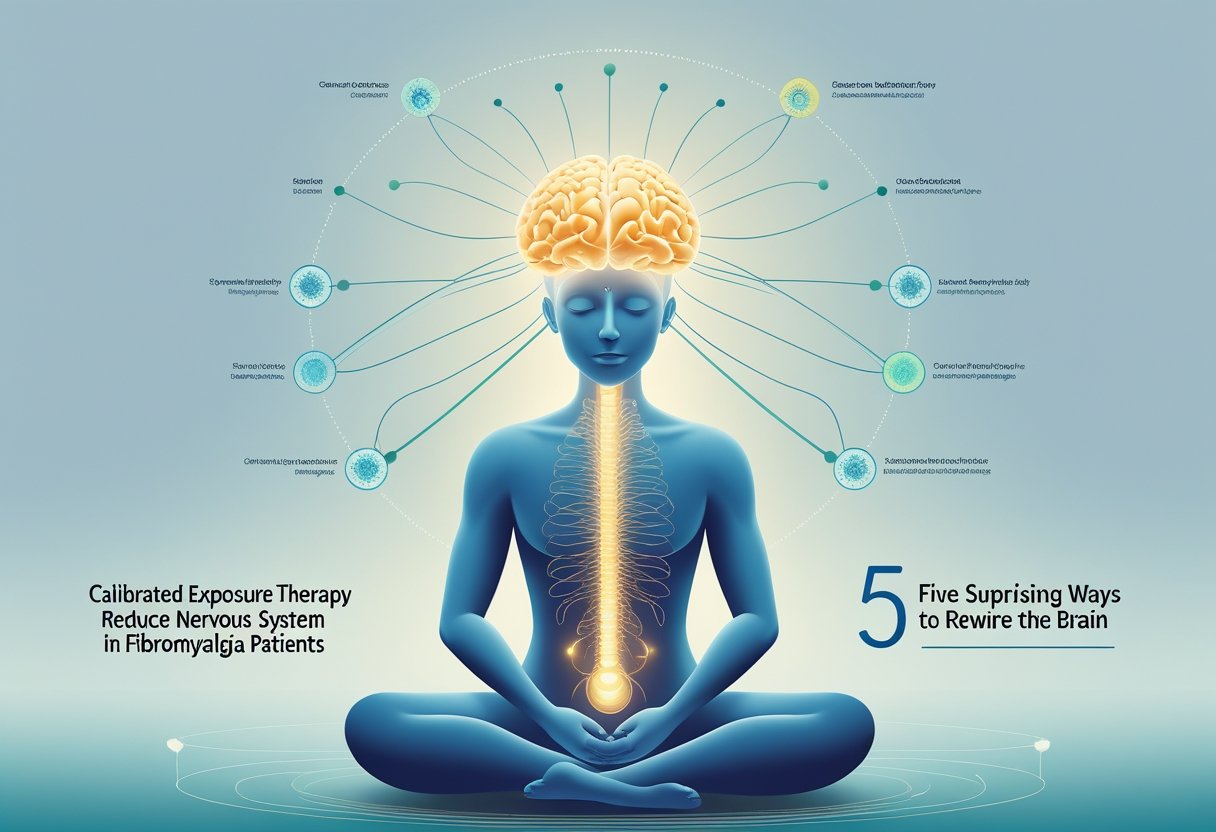
Calibrated exposure therapy involves gradually introducing stimuli that trigger hypersensitivity in a controlled way. This steady approach helps the nervous system adapt and reduces oversensitivity over time. It acts like training sensory pathways to tolerate more without causing intense pain or discomfort.
The process starts with low-level exposure and slowly increases intensity based on individual tolerance. This method can decrease the nervous system’s exaggerated responses that often worsen fibromyalgia pain. Research shows even a single well-structured session can lead to lasting changes in brain activity related to fear and sensory sensitivity.
By rewiring brain circuits, exposure therapy disrupts the cycle of hypersensitivity and avoidance. Patients learn to face triggers safely, lowering their nervous system’s reactive patterns. This scientific approach supports improved pain management and better quality of life for those with sensitized nervous systems.
The Science of Neuroplasticity in Fibromyalgia
Fibromyalgia involves changes in how the brain perceives and processes pain signals. Understanding these neurological changes helps explain why pain persists and how the brain might be retrained to reduce discomfort.
How the Brain Processes Chronic Pain
Chronic pain in fibromyalgia occurs because the brain amplifies pain signals beyond normal levels. Areas like the somatosensory cortex and the anterior cingulate cortex become overactive, increasing sensitivity to pain stimuli.
Neuroimaging studies show that fibromyalgia patients have altered connectivity in pain-related brain networks. This leads to heightened perception of pain even without tissue damage.
The brain’s response includes both sensory and emotional components, which together worsen the experience of pain. This dual processing explains why fibromyalgia pain feels constant and difficult to control.
Role of Neuroplasticity in Pain Management
Neuroplasticity is the brain’s ability to reorganize and form new connections. This process allows for changes in how pain is processed, offering a potential pathway to reduce fibromyalgia pain.
Therapies like cognitive behavioral therapy, meditation, and certain physical exercises promote adaptive neuroplasticity. These interventions help the brain “rewire” itself to lower pain sensitivity.
By targeting neural circuits linked to pain, neuroplasticity-based treatments adjust overactive networks. This reduces the brain’s exaggerated pain response and can improve quality of life for fibromyalgia patients.
Integrating Brain-Training Techniques with Conventional Treatments
Combining brain-training methods with standard fibromyalgia treatments can optimize pain relief and cognitive function. Careful coordination ensures that brain-based exercises enhance therapy effects while maintaining patient safety.
Enhancing the Effects of Medication and Therapy
Brain-training techniques like cognitive behavioral restructuring and neurofeedback can complement medications and physical therapy. These methods help rewire pain perception pathways, potentially improving how patients respond to drug treatments.
Incorporating exercises such as theta wave meditation or visualization supports stress reduction and mental resilience. This may lower the need for higher medication doses or intensify therapy outcomes.
Patients should work closely with their healthcare providers to tailor brain-training activities to their treatment plans. This collaboration minimizes risks of interference, such as cognitive overload, and ensures exercises align with their fibromyalgia symptoms and medication schedules.
Monitoring Progress and Measuring Outcomes
Regular assessment is key to understanding how brain training affects fibromyalgia symptoms. Tracking pain levels, cognitive function, and emotional well-being through standardized questionnaires and performance tests helps gauge effectiveness.
Patients and clinicians can use tools like pain diaries, mood assessments, or brain-training apps that record progress objectively. Adjustments to the regimen are based on these results, improving the precision and benefit of combined treatments.
Consistent monitoring helps identify plateaus or setbacks, allowing for timely intervention. Data-driven reviews support evidence-based decisions, optimizing both brain retraining and conventional treatment strategies.
Frequently Asked Questions
Certain therapies focus on altering pain perception and nervous system responses. Exercises and dietary changes also contribute to managing symptoms. Research supports multiple brain-based interventions for fibromyalgia relief.
What scientifically-supported methods can help alleviate fibromyalgia pain?
Pain Reprocessing Therapy helps retrain the brain’s pain perception pathways. The Dynamic Neural Retraining System™ targets stress and pain circuits to reduce symptoms. Calibrated exposure therapy decreases nervous system hypersensitivity.
How does brain plasticity play a role in managing chronic pain conditions like fibromyalgia?
Brain plasticity allows the nervous system to reorganize and modify pain pathways. This adaptability can reduce pain sensitivity and improve symptom management over time. Neuroplasticity-based therapies use this to retrain responses.
Are there specific brain exercises recommended for reducing fibromyalgia symptoms?
Guided imagery and mindfulness meditation are key neuroplasticity exercises. Somatic tracking enhances body awareness to decrease pain response. These techniques help rewire pain perception networks.
What dietary changes have been shown to affect fibromyalgia pain levels?
Anti-inflammatory diets rich in fruits, vegetables, and omega-3 fatty acids can reduce pain intensity. Avoiding processed foods and sugar may also help. Balanced nutrition supports nervous system health.
Can mindfulness or meditation have a tangible impact on fibromyalgia pain according to research?
Yes. Mindfulness meditation improves pain tolerance and lowers stress, which can reduce symptom severity. Studies show it alters brain regions involved in pain regulation.
What type of physical activity is beneficial for rewiring the brain in the context of fibromyalgia relief?
Gentle aerobic exercises like walking or swimming promote neuroplasticity and reduce pain. Mind-body practices such as yoga also support brain rewiring by combining movement and mindfulness.


